


How education strengthens sustainable structures in Ghana: 5 success factors
Find out how Click A Tree combines sustainability with education
-
Felix Hüwer
- 27/06/2025
Share with your community on LinkedIn now:

Sustainability starts with people – and above all with education. In Ghana, Click A Tree’s entrepreneurial schools show how education not only imparts knowledge, but also strengthens entire communities.
The initiative creates prospects for young people who previously had little access to training and income. It is not just about content, but also about laying a strong foundation for economic independence, social stability and ecological responsibility.
Here are five success factors that show how education in Ghana creates sustainable structures – in the long term and effectively.
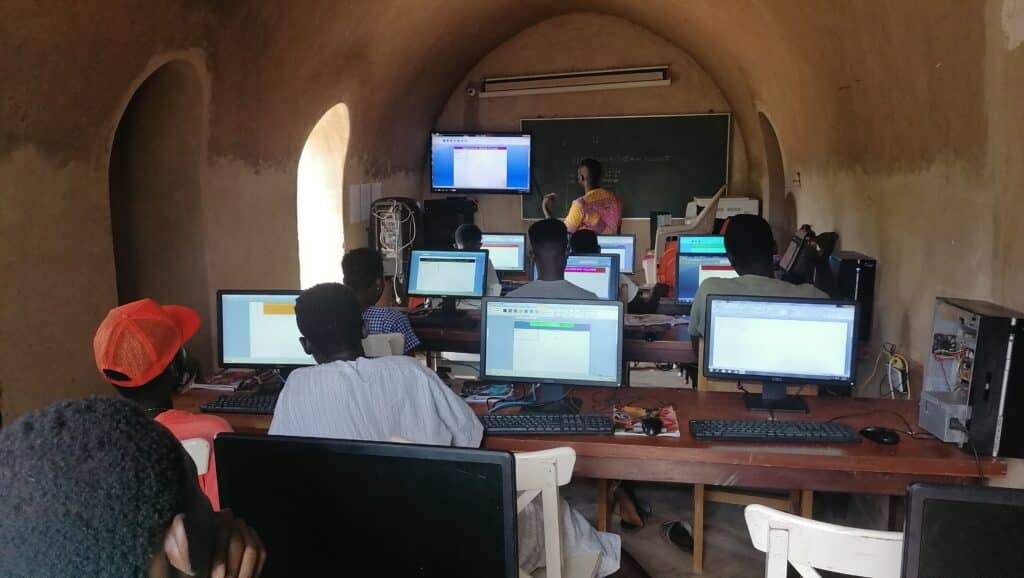
1. practical training for real progress
Instead of abstract theory, the entrepreneurship schools in Ghana focus on content that is directly applicable to everyday life. Among other things, participants learn how to develop a solid business plan, understand accounting and set up a marketing strategy.
These practical skills are essential for implementing your own business ideas – be it in agriculture, crafts or services.
The result: young people leave school with the knowledge they need to actively contribute to the development of functioning local economic structures.
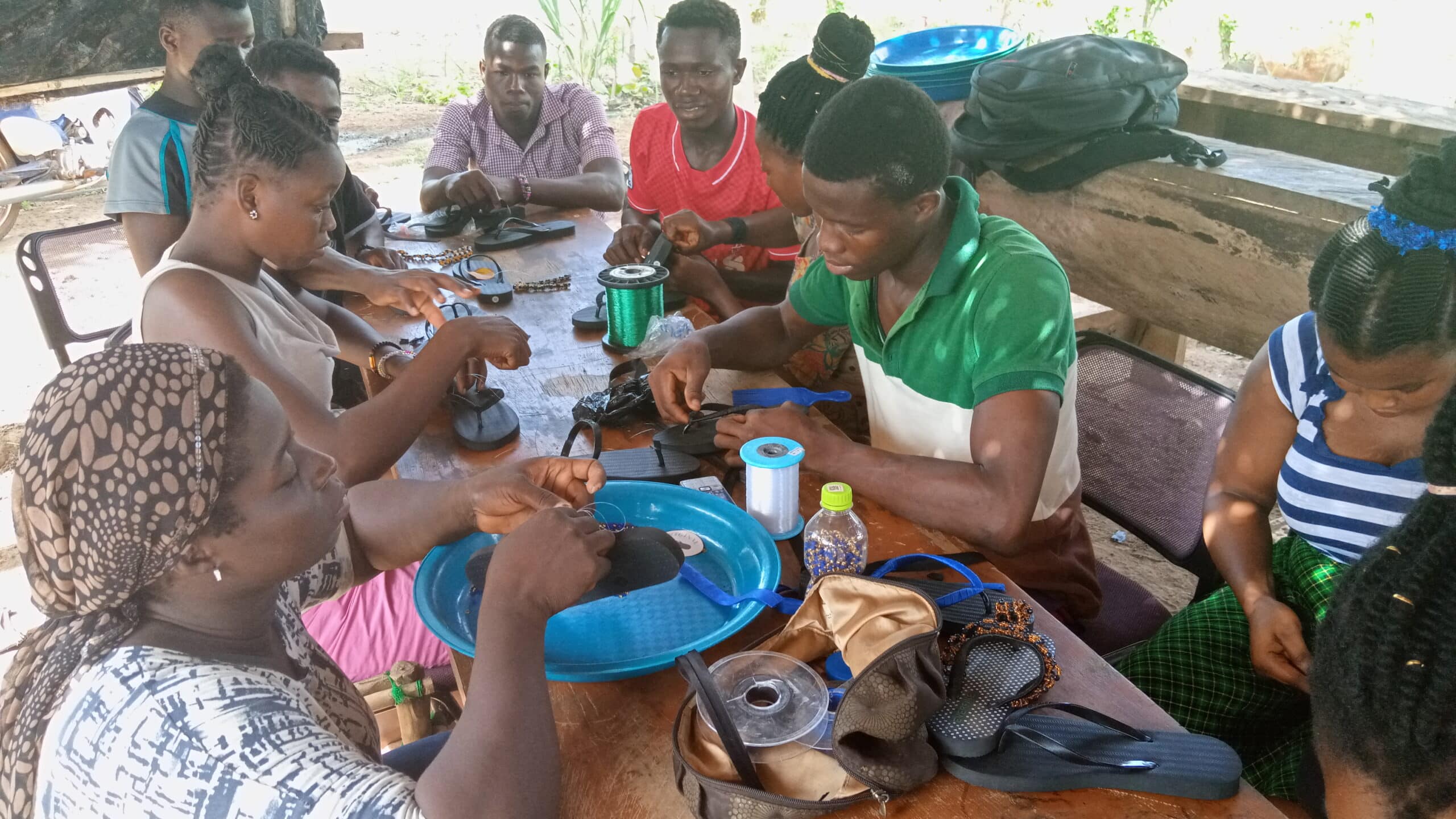
2. a craft with a future - and a multiplier effect
Another success factor is the targeted promotion of craft skills and sustainable structures. In 2024, for example, several students in Tamale successfully completed training in weaving and fashion design.
But the added value goes beyond personal advancement: graduates are empowered to set up their own centers and pass on their knowledge to others.
This creates regional competence networks in which sustainable skills are passed on – a decisive lever for long-term development.

3. self-confidence through independence
When people gain control over their economic future, many things change – including internally. The training not only imparts specialist knowledge, but also gives participants the self-confidence to take responsibility for their own lives.
This aspect should not be underestimated: Especially in regions with high youth unemployment, self-employment means dignity, pride and security.
This makes education the foundation for a self-determined life – and for communities that can build on their own initiative.

4. equal opportunities regardless of social background
The entrepreneurial schools in Ghana provide education regardless of social background – what counts here is motivation and willingness to learn, not previous education or status. This creates real opportunities and sustainable structures for everyone.
In the entrepreneurial schools, it is not the CV that counts, but the will to learn and make a difference. Many of the participants come from structurally weak families or left school early.
Nevertheless, they are given the opportunity to further their education, develop new perspectives and develop their talents.
This low-threshold accessibility ensures that no one is left behind – a central pillar of sustainable social development.

5. linking education and the environment in a meaningful way
What makes this project special is that the financing of the educational facilities is directly linked to ecological measures – above all reforestation. For every tree planted, a portion of the funds goes towards the operation and expansion of the entrepreneurial schools.
In Ghana, we plant the baobab tree, among other things. Here are 7 exciting facts about it!
This means that investing in ecological sustainability also strengthens education and social justice. This link creates measurable synergies – and a model that could also set a precedent in other regions.
This creates a holistic approach in which education, the environment and the economy grow together.
Sustainable structures begin with small, courageous steps – such as planting a tree or providing an education. Ghana shows how education not only strengthens individual growth, but also entire communities. Investing today ensures stable, resilient structures for tomorrow. Whether you are a company or a private individual: your support makes a real difference. Let’s work together to promote education, create prospects and shape change – for a sustainable future.
Want to find out more about the Ghana project? Take a look at our Impact Report! Or support our projects for people and nature and contact us now for a customized solution.